We started with one husk

Three years ago we twisted our first length of coir rope on a kitchen table — now we share that same motion with makers across Australia, one fiber at a time.
Meet our team
78% Coir saved
What coir rope means to us

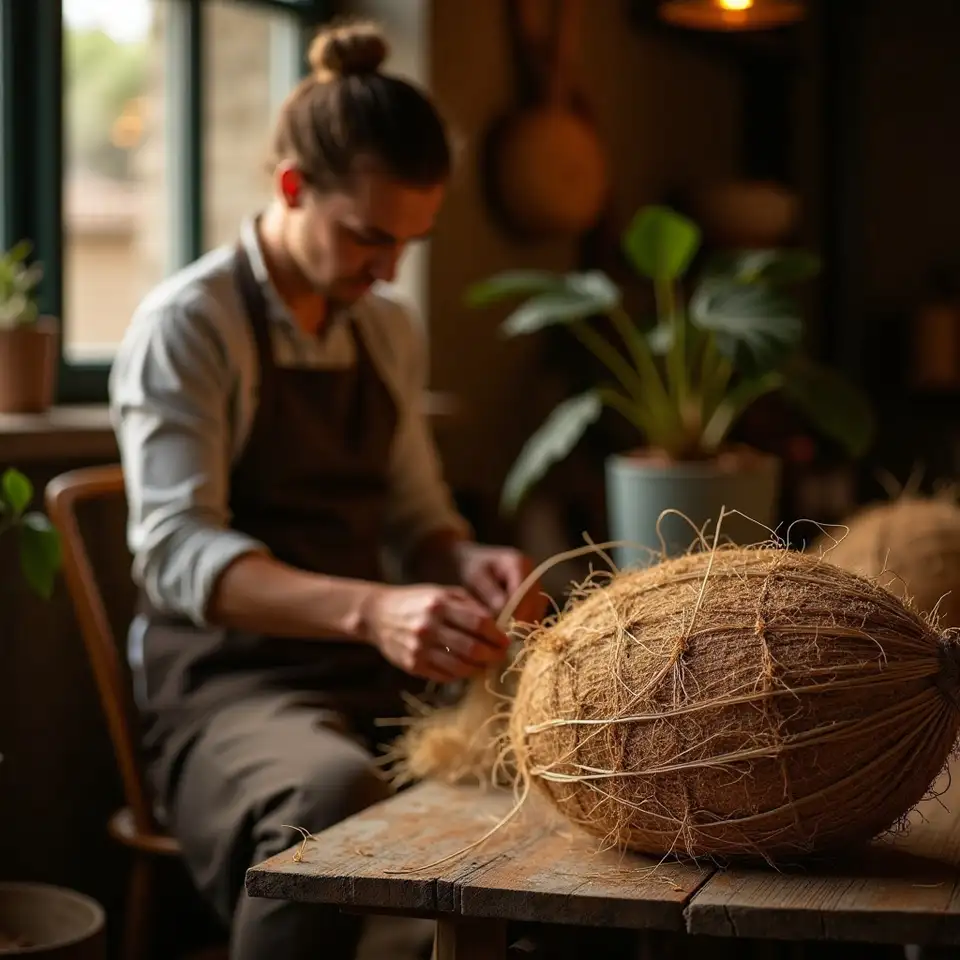
Coconut husk rope — coir cordage — is simply fiber stripped from the outer shell of a coconut, twisted by hand into strong, decorative line.

We exist because this ancient craft was fading from everyday memory. By stripping, soaking, and spinning husks into rope, we keep a practical tradition alive while giving modern makers a tactile, low-cost material for nautical décor, plant hangers, and garden ties. Our guides honor the original technique without requiring industrial tools or overseas shipping.
Hands twisting coconut husk fibers into natural rope

Zero-waste fiber source

Every strand comes from coconut husks that would otherwise compost unused — we teach makers to value what grows nearby.

No machines needed

Our method uses water, patience, and thigh-twisting tension — accessible to anyone with a flat surface and twenty minutes.

Coastal craft heritage

We document techniques once common in fishing villages, adapting them for home studios and community workshops.

These five commitments shape every tutorial, material list, and community gathering we publish.

$ Eco-first sourcing
We recommend husks from local food vendors and community gardens before commercial suppliers, keeping transport minimal and relationships direct.
$ Open access
All core techniques are shared without paywalls or account requirements — knowledge about natural materials should circulate freely.
$ Community care

We moderate discussions gently, celebrate beginner attempts warmly, and correct mistakes without shame — everyone tangles fiber sometimes.

$ Honest documentation

When a method fails or a husk variety behaves differently, we say so clearly — no polished illusion, just real process.

$ Handmade beauty
We believe uneven twist and organic color variation are features, not flaws — the rope carries the story of its making.

The people twisting this forward

We are a small collective of fiber workers, coastal historians, and illustrators who met through shared curiosity about natural cordage. No one here learned coir rope in school — we picked it up from elders, trial, and each other.
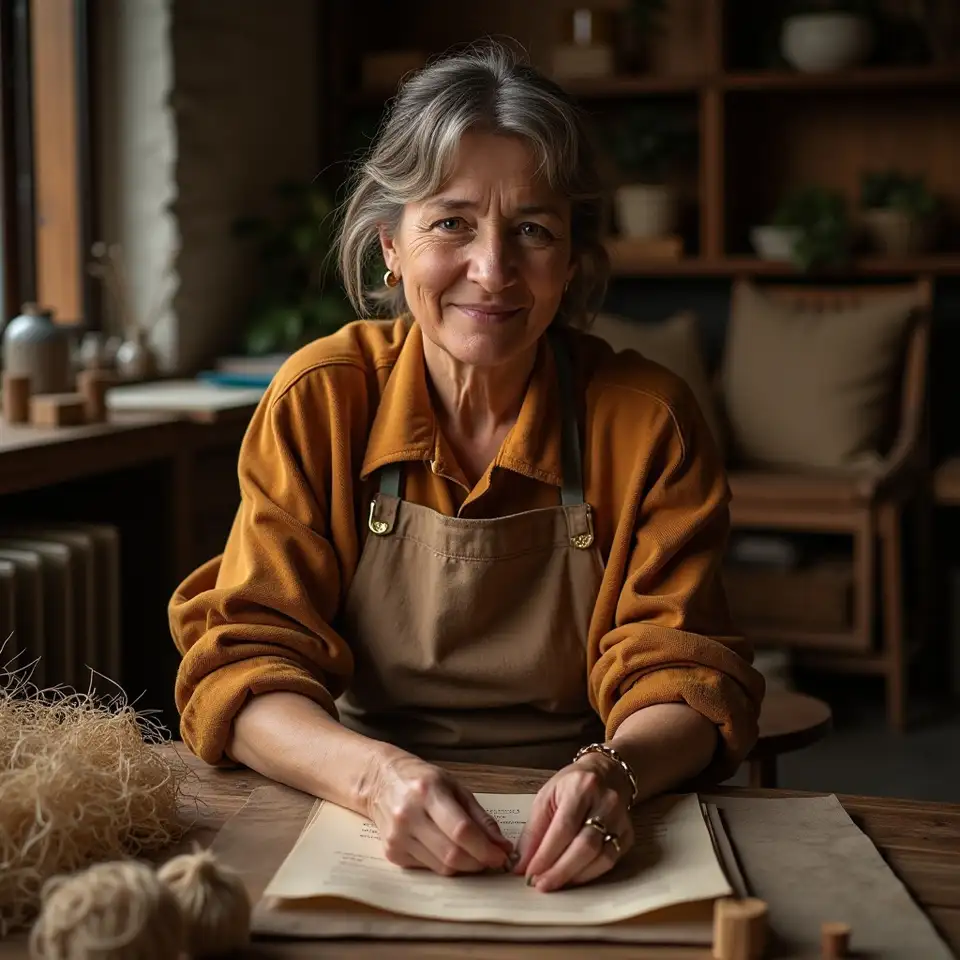
Mara Ellison

Mara Ellison

Lead fiber guide

Founding member

Core craft focus

Natural fiber prep
Nautical knotting
Community workshops
Technique writing

Mara first encountered coir rope on a fishing trawler deck in her teens. She now leads our fiber-preparation tutorials and tests every husk variety for twist behavior before we recommend it to beginners.

Practical strengths

Fiber retting Twist grading Tool making Video demos
Jin Park

Jin Park

Coastal history researcher

Archival lead

Research areas

Maritime records
Oral histories
Regional mapping
Photo archives

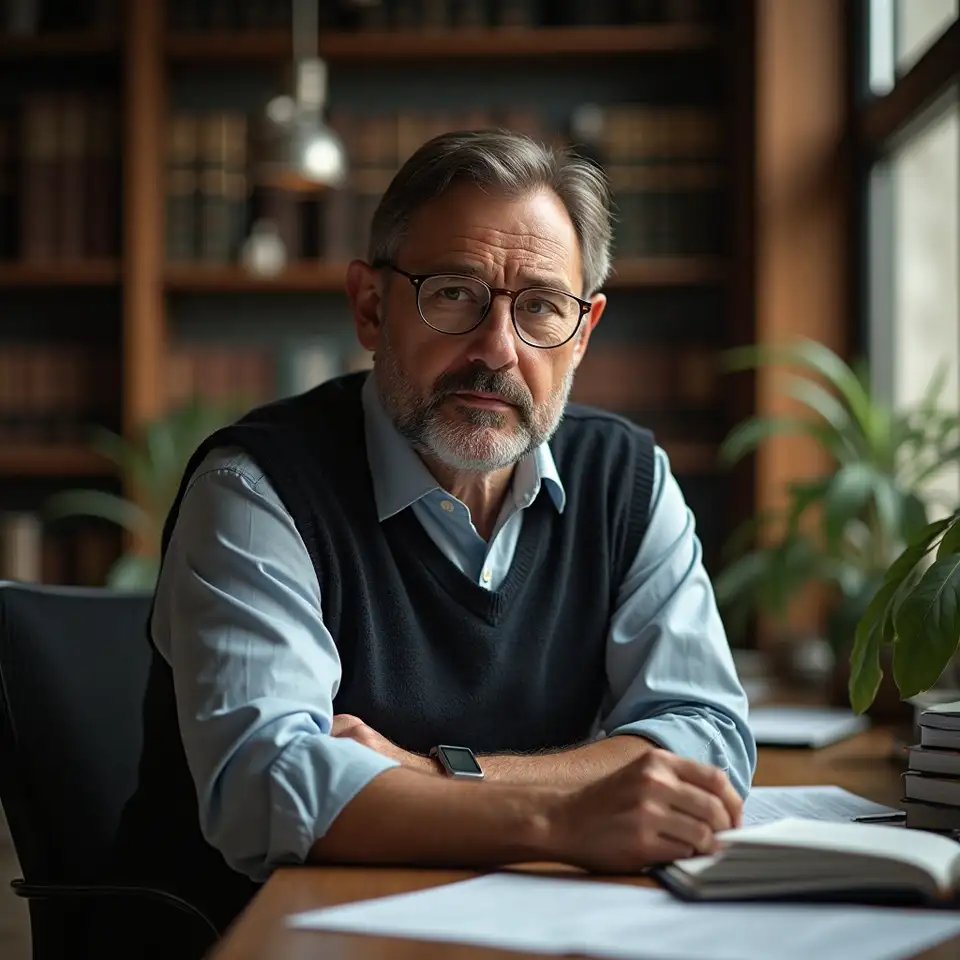
Jin traces how coir rope traveled through Pacific trading routes and adapted to Australian harbors. His findings shape the historical notes we embed in every technique guide so context travels with the craft.

Practical strengths

Archive access Interviewing Fact checking Story framing
Sera Okafor

Sera Okafor

Illustration and design lead

Visual voice

Design focus

Step diagrams
3D fiber models
Color systems
Guide layouts

Sera translates hand motions into clear diagrams so makers can follow along without sound. She also designs our printable cordage journals for tracking twist experiments and husk sources.

Practical strengths

Technical drawing Print layout Accessibility design Brand cohesion
Tom Brennan

Tom Brennan

Community coordinator

Gatherings lead

Community scope

Local meetups
Online forums
Material swaps
Event planning

Tom organizes the monthly rope-twist circles in community gardens and moderates our online discussion space. He matches beginners with nearby husk sources and keeps the tone welcoming when technique debates get lively.

Practical strengths

Event logistics Conflict mediation Partner outreach Beginner support

Our path

From a single kitchen table to a national craft resource.

First twist

Mara twisted her first meter of coir rope from husks collected after a neighbor's curry night. The fiber was uneven, the rope lumpy, and she photographed every mistake — those images became our earliest tutorial drafts.

Small circle forms

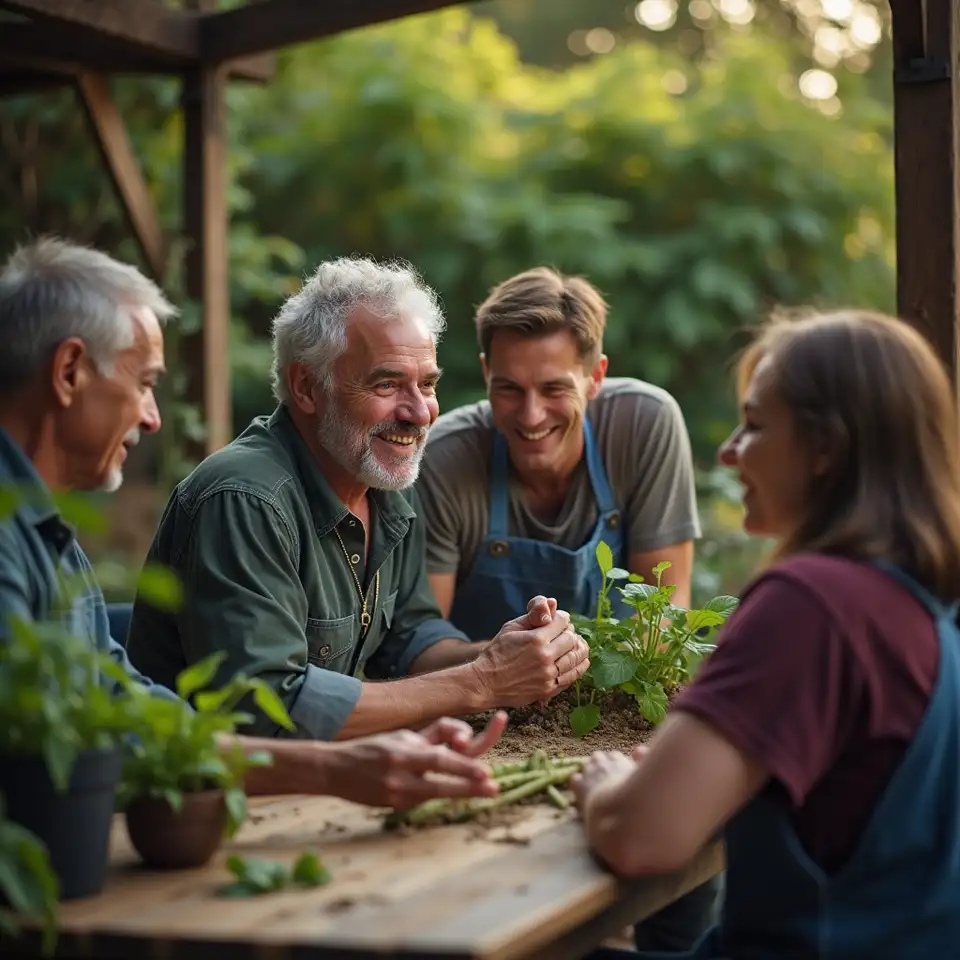
Three friends gathered monthly to test retting times and compare husk sources. We published our first free guide online and received messages from makers in Queensland and Tasmania asking for more detail.

Guides expand

Jin joined to add historical context, Sera redrew every diagram for clarity, and we launched printable cordage journals. Our online community grew to include fiber artists, gardeners, and retired fishermen sharing technique variations.

National reach

We now maintain a library of techniques, host seasonal virtual gatherings, and partner with community gardens to source husks locally. The kitchen table has become a shared workshop — and we are still twisting.

Cookie notice

We use cookies to understand how you navigate our site and to improve your experience. You can accept or decline this tracking at any time.
Read our policy