Projects from our community
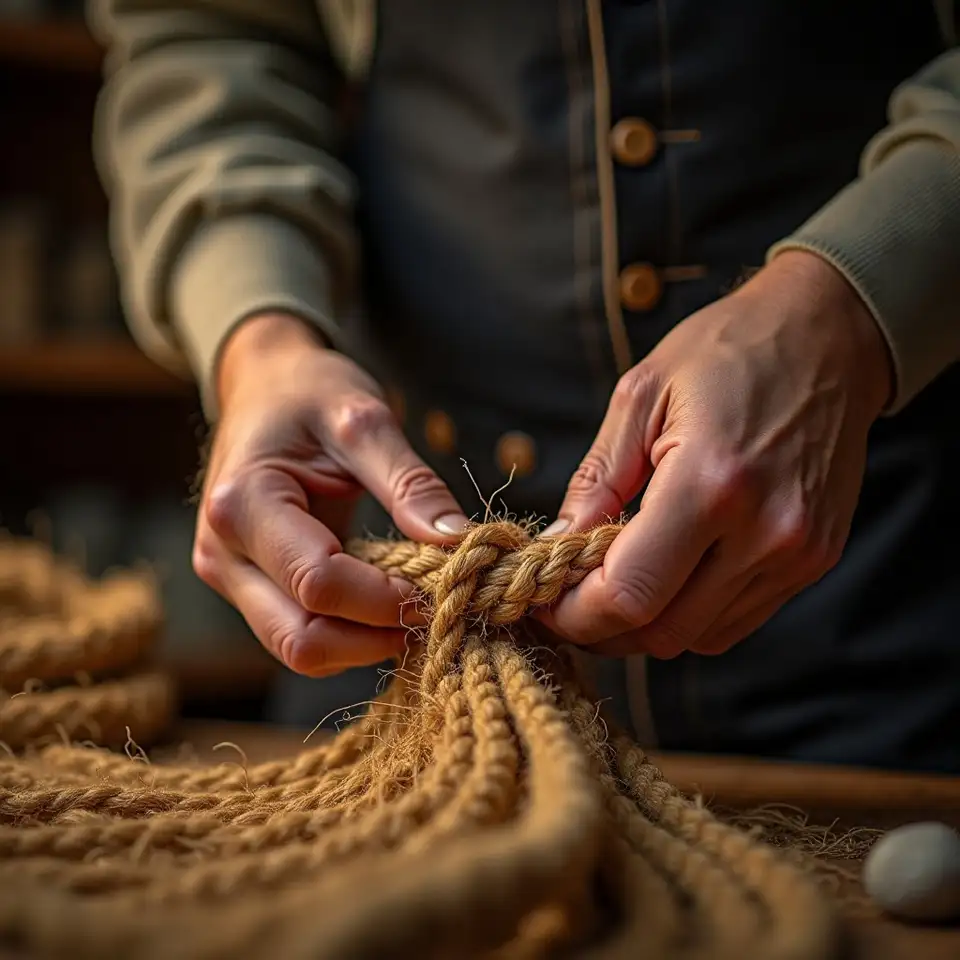
Every rope here began as a coconut husk in someone’s compost bin — soaked, combed, and twisted by hand into something useful, beautiful, or both.
Submit your workEvery rope here began as a coconut husk in someone’s compost bin — soaked, combed, and twisted by hand into something useful, beautiful, or both.
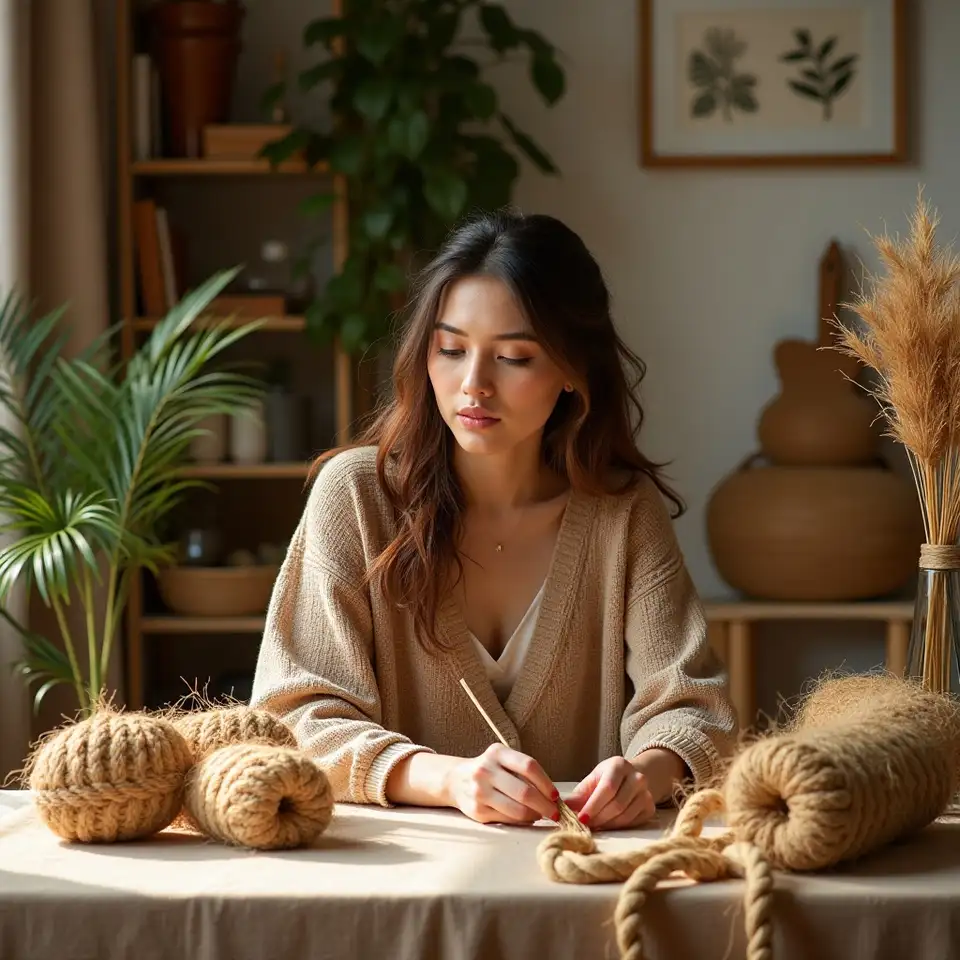
Submit your workOur makers span skill levels from first-time twisters to seasoned fiber artists. Each project includes notes on fiber quantity, twist style, and the time actually invested — so you can estimate before you begin.
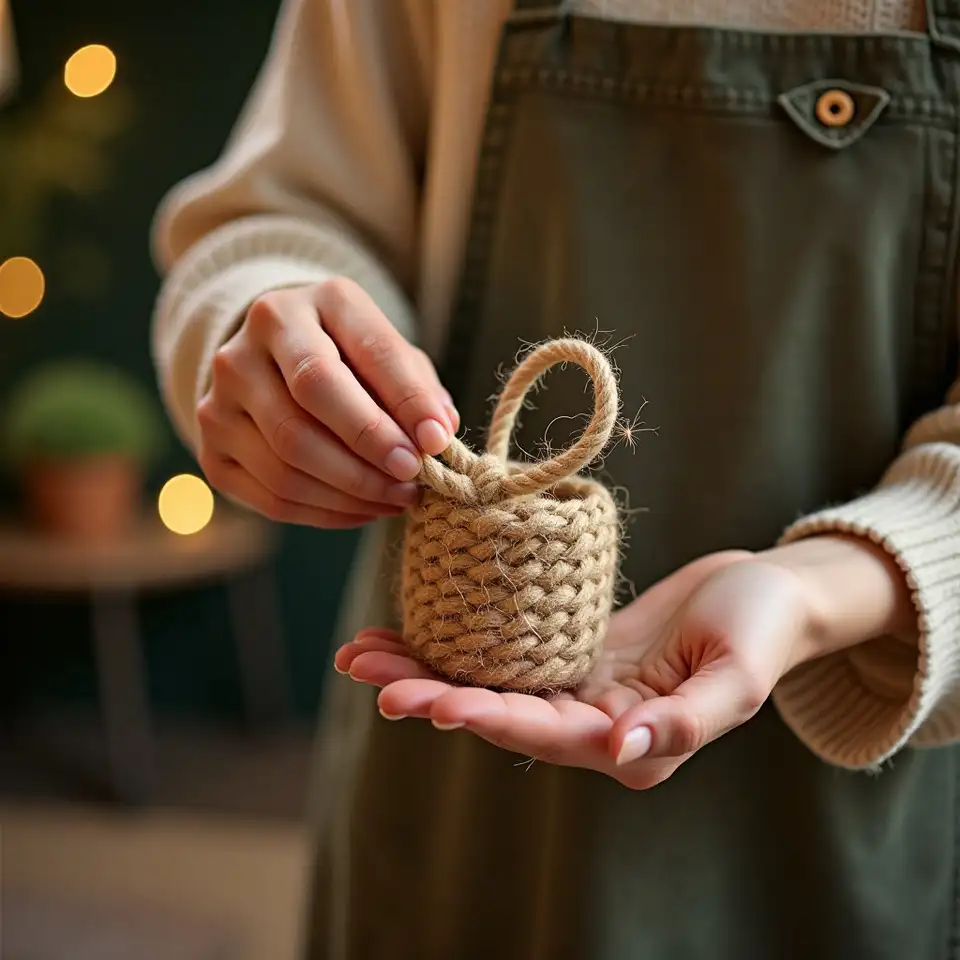
Small projects that consume one to three husks and finish in a single afternoon. Think garden ties, simple coasters, and basic hanging loops — perfect for practicing tension control without committing to a larger piece.
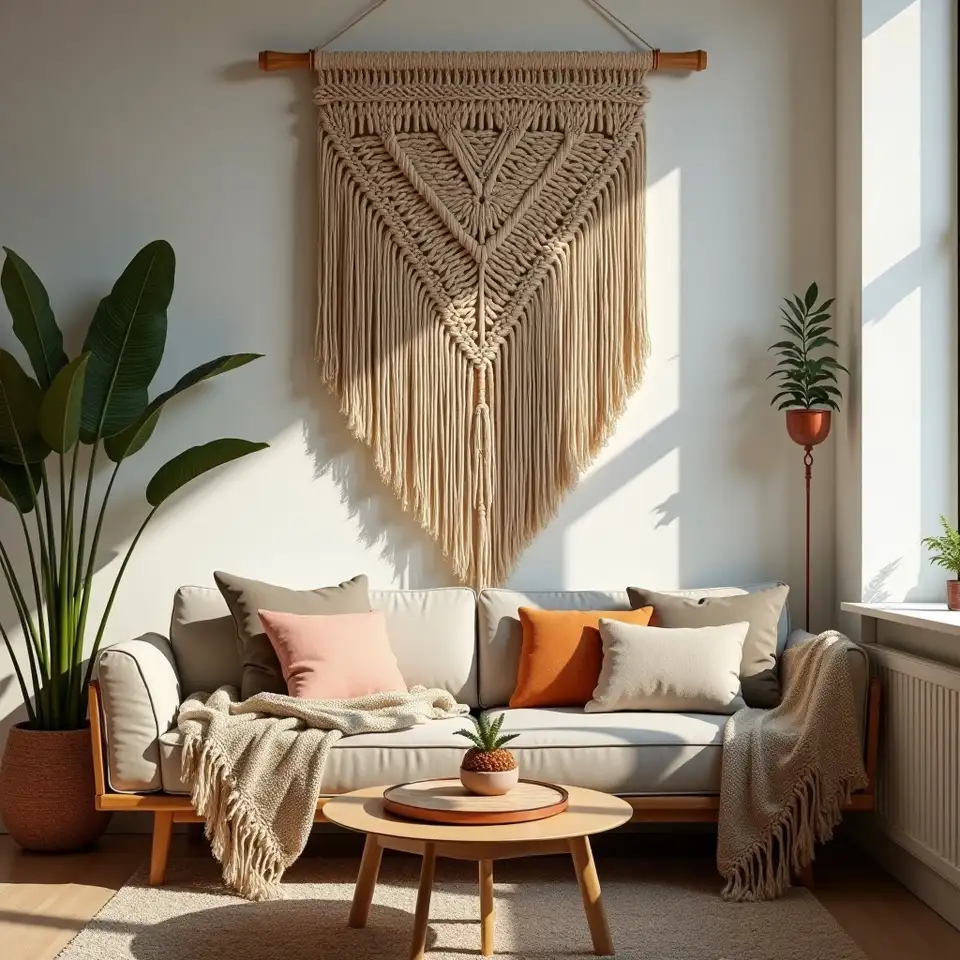
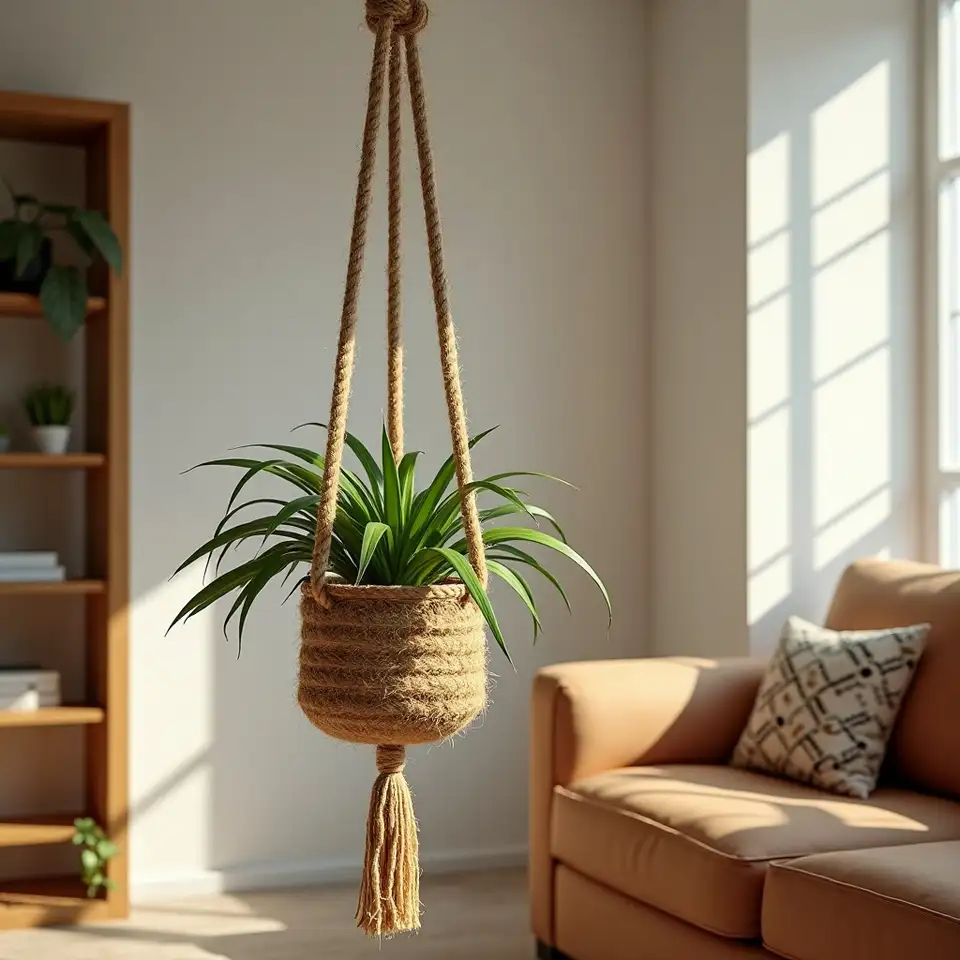
Larger works requiring multiple retting batches, careful splicing, and several sessions of twisting. Macramé wall hangings, nautical knot boards, and functional baskets fall here — rewarding patience with presence and visual weight.
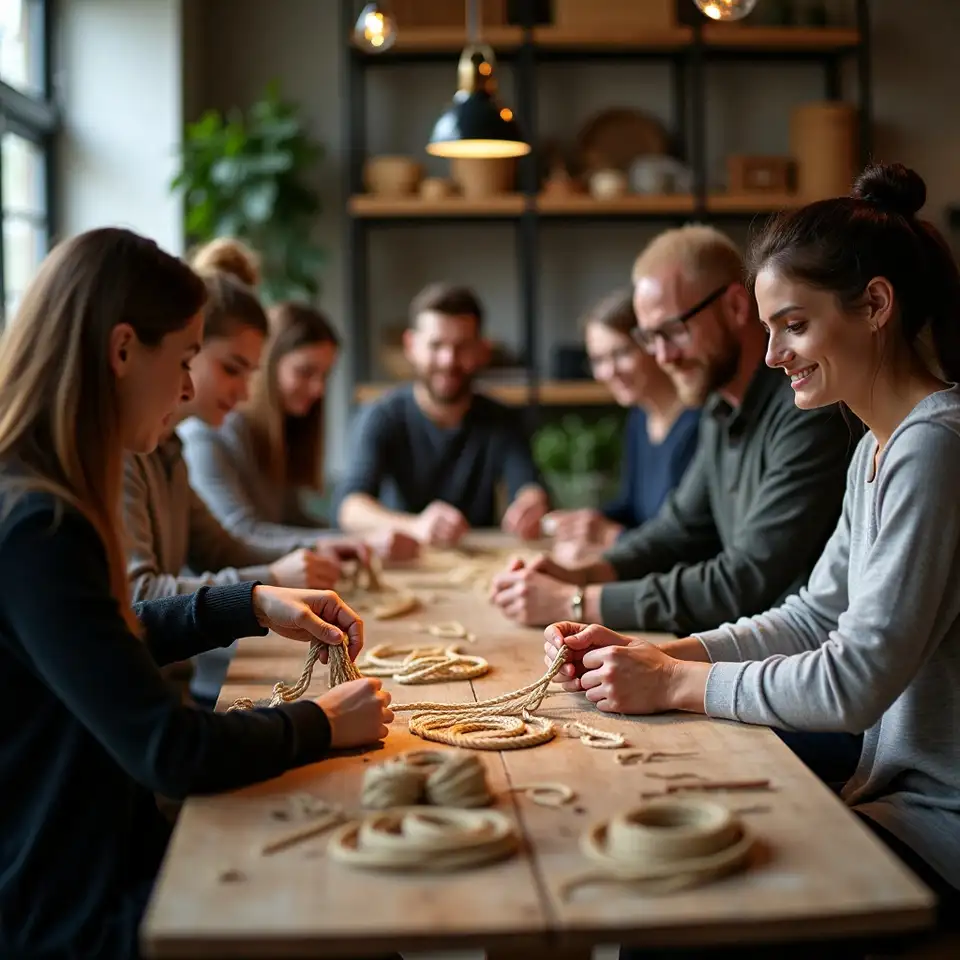
A rotating selection of work submitted by makers across Australia — each tested, photographed, and documented with honest notes on what worked and what tangled.
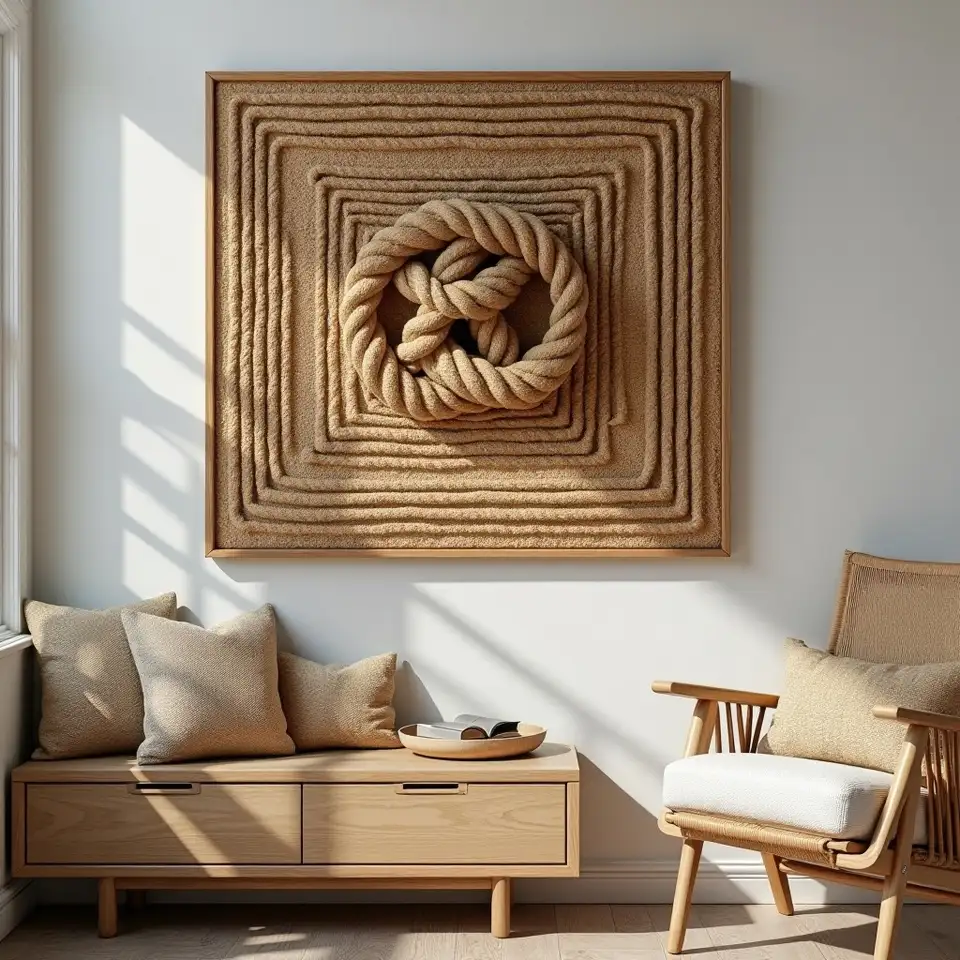
A framed display of six traditional maritime knots tied in three-ply coir rope, mounted on reclaimed hardwood. The maker spent four afternoons retting fiber and two evenings finishing each knot to consistent tension.
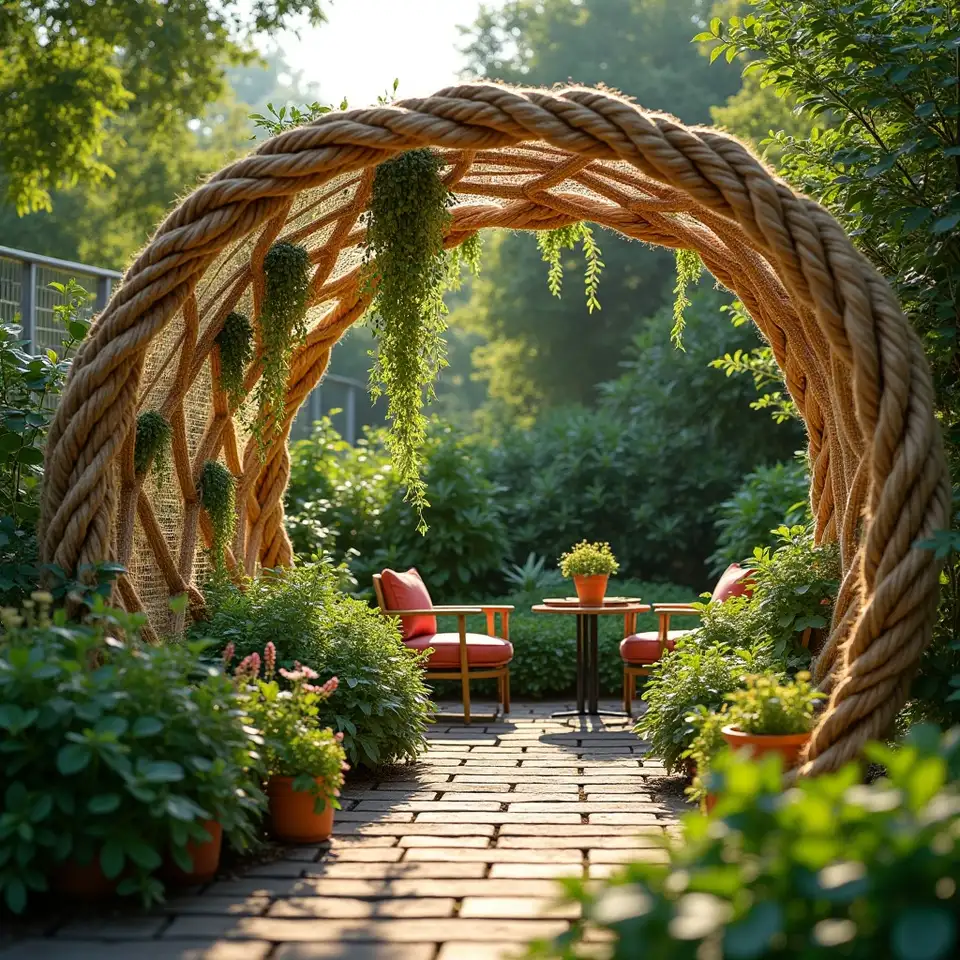
A six-foot A-frame trellis lashed entirely with two-ply coir rope, supporting climbing beans through a full growing season. The maker notes that retting for four weeks produced fiber soft enough for tight lashing without snapping.
$0
These figures reflect voluntary submissions from makers who track their time and material use. They illustrate the scale of collective effort, not individual obligation or expected productivity.
No one measures success in meters alone. We log time and fiber to understand patterns, celebrate consistency, and help newcomers estimate what their first project might require.
New makers who complete a small project in their first week are three times more likely to continue twisting through their first month. The key is finishing something — anything — before doubt sets in.
We recommend a simple two-ply garden tie or coaster for first projects. The object itself is modest, but the completion creates confidence that carries into larger work.
One maker described her first finished piece — a lumpy, uneven coaster — as the moment she stopped fearing waste and started trusting her hands. That shift is what we design for.
Every featured project began with a single husk and the willingness to tangle. The difference between a beginner and a contributor is simply repetition and the patience to continue.
Cooler months invite indoor contemplation — macramé studies, knot board collections, and experimental plaiting with dyed or bleached fiber. We collect these seasonal collections to match project mood with material behavior, knowing that rope twisted in winter carries a different patience than rope twisted under summer sun.
4.8 Community rating
Every submission teaches someone else what is possible
Projects
34 shared